


Limmer Education
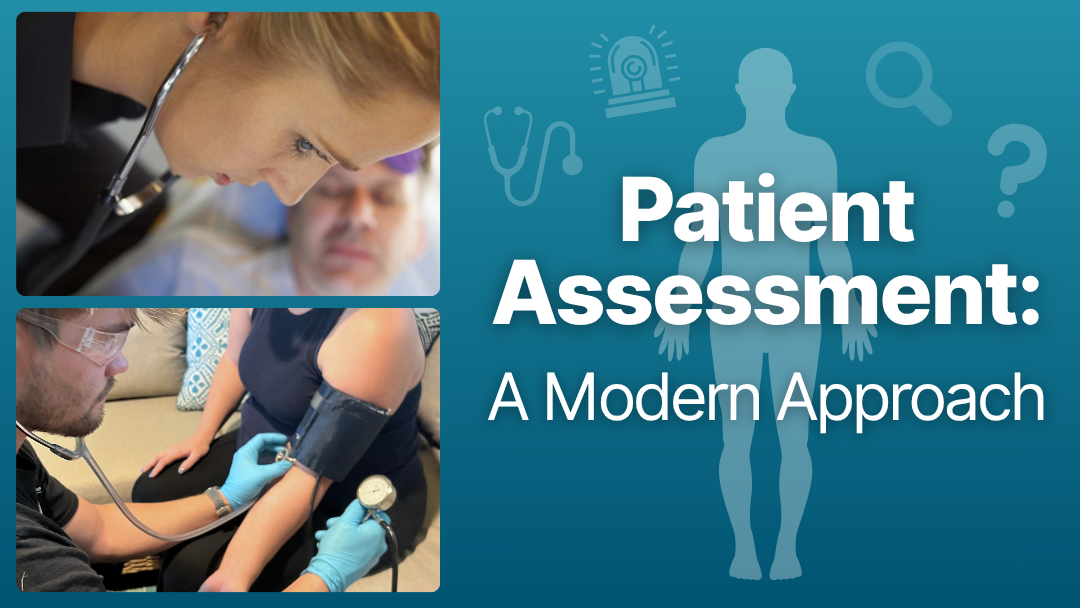
Here’s a look at how EMS education has changed and why patient assessment has become valuable to learn.
Limmer Education
Here’s a look at how EMS education has changed and why patient assessment has become valuable to learn.


Dan Limmer, BS, NRP
Understanding pathophysiology transforms guesswork into informed, patient-centered decision-making.

Limmer Education
Proficiency in ECG interpretation skills is crucial for EMS professionals but often proves challenging due to complex waveforms and cognitive overload.
Limmer Education
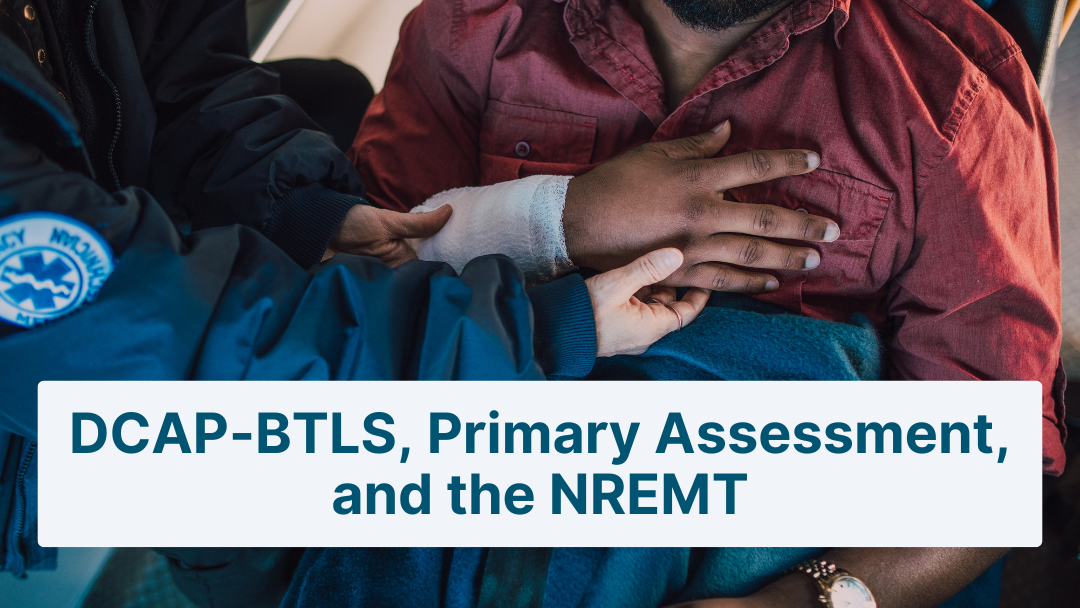
What you REALLY need to know about DCAP-BTLS. This topic can be tricky—especially when preparing for the NREMT.

Limmer Education
Pulse pressure, cardiac output, vascular tone? Understand how shock affects the body.


Lisa Montoya
Can Your Students Spot an Incorrect Blood Pressure Reading? You should consider testing them.

Dan Limmer, BS, NRP
Guiding principles provide a backbone for sound decision-making in patient assessment.

Dan Limmer, BS, NRP
An exercise for EMT or ALS classes to help students understand body system exams as a precursor to differential diagnostic decision-making.

Limmer Education
Mechanism of injury plays a significant role in emergency medical services, shaping initial assessments and decisions. However, it doesn't reliably correlate with actual injuries, as highlighted by the CDC's Trauma Triage Guidelines. Understanding its limitations allows for more accurate evaluations of trauma patients and emphasizes the need to consider physiological and anatomical signs first.