



Limmer Education
You don’t have to pre‑study before EMT class. But you definitely can. It could make those first few weeks feel a lot less overwhelming.
by Limmer Education
Our articles are read by an automated voice. We offer the option to listen to our articles as soon as they are published to enhance accessibility. Issues? Please let us know using the contact form.
Understanding electrocardiogram (ECG) strips is one of the most critical, yet challenging, skills in EMS. If you’ve ever stared at a strip thinking, "What does this mean?," you’re in the majority. Bettering your ECG interpretation skills is a constant frustration across all levels of healthcare professionals, from beginner students to experienced providers.
For paramedic students, the biggest challenge is turning their education into real practice. A 2024 study found that even students with solid foundational knowledge still struggled to understand ECGs because waveforms are complex, variable, and abstract.
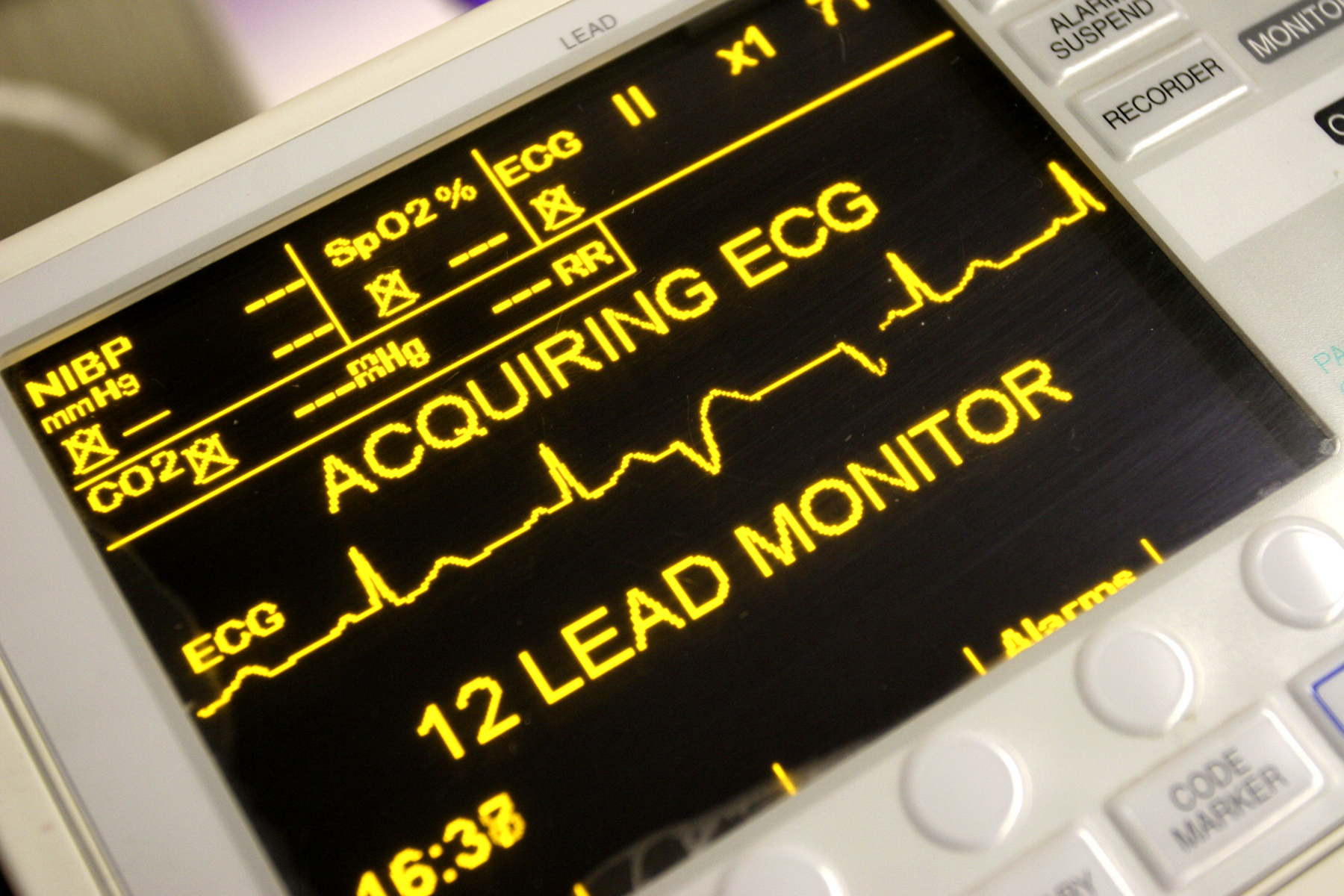
Another major issue is cognitive overload. ECG strips require you to assess multiple elements at once, including rate, rhythm, intervals, morphology, and apply them to a patient in seconds. You don't have time to think about what you learned in training; you must know it.
Students also struggle with pattern recognition, especially early on. Recognizing atrial fibrillation or a STEMI requires repeated exposure. Frequent misinterpretation is common, even with basic rhythms, when practice is limited.
In addition, hands-on exposure is not often available to students. Programs rely heavily on classroom lectures rather than applied practice, which limits skill development.
You might assume that once you’re in the field, interpreting ECG strips becomes second nature. Not quite.
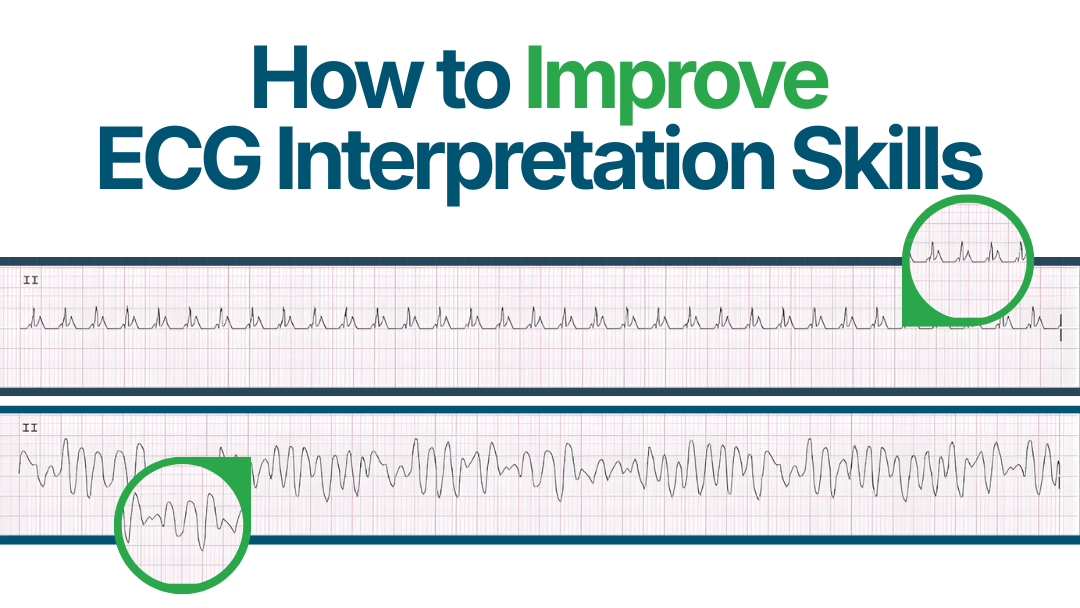
Here’s the good news: You can build your ECG skills. These recommendations can help you start:
Use a consistent system for interpreting ECGs
Stick to a step-by-step method (rate → rhythm → P waves → intervals → QRS → ST/T changes). Structured approaches in studying can reduce errors and improve retention.
Practice ECG interpretation frequently
Short, habitual exposure is more effective than long, infrequent study sessions. Using tools from Limmer Education can test and provide daily feedback on your knowledge of this complex subject. We suggest:

ECG Challenge – Study 150 clinically obtained field and hospital ECGs presented with real patient-complaint scenarios, featuring mobile-friendly expandable strips, and clear diagnostic rationales. You also get customizable practice sets of 5, 10, or 20 while excluding familiar strips.
STEMI Ready – Complete a 50-question 12-lead ECG Cath Lab Challenge quiz alongside 180 clinically acquired 12-lead ECGs with rationale in a multiple-choice format. A 10-item "Test your 12-lead knowledge!" assessment with questions about 12-lead ECGs and rationales for the correct answers are provided.
This kind of repeated testing builds up the pattern recognition needed in the field.
Focus on clinical context, not only the strip
ECGs don’t exist in isolation. Tie what you see to the patient: chest pain, syncope, and shortness of breath. This helps reduce misinterpretation and improves decision-making.
Simplify content
Start by recognizing normal sinus rhythm, atrial fibrillation and obvious STEMIs before moving into more complex patterns. Strong fundamentals matter more than memorizing rare findings.
Seek feedback whenever possible
Follow up on cardiology quiz questions (whether you get them right or wrong), review missed ECGs and discuss cases with instructors. Lack of feedback is a known barrier in EMS ECG education.
ECG skills are difficult because they’re inherently complex. The variability of waveforms, the need for rapid decision-making, and the high stakes all contribute to the challenges.
The struggle is normal and shared by everyone. With a structured approach, consistent practice, and the right tools, those confusing squiggles start to tell a clear story. This is when ECG interpretation proficiency becomes one of the most powerful skills you can attain in your career, and it makes you irreplaceable out in the field.
Smith and Witchel. (2026). Accuracy of final-year paramedic students’ ECG interpretation. Advances in Physiology Education.
Wang and Sheng. (2025). Challenges in ECG learning: A questionnaire analysis. BMC Medical Education.
Kashou, et al. (2024). Web-based ECG learning interventions. Current Problems in Cardiology.
Wyld, et al. (2023). Paramedic ECG interpretation in acute coronary syndrome. Journal of Paramedic Practice.
Limmer Education
You don’t have to pre‑study before EMT class. But you definitely can. It could make those first few weeks feel a lot less overwhelming.


Dan Limmer, BS, NRP
What's with the communication gap between the AHA and the EMS community?
Limmer Education
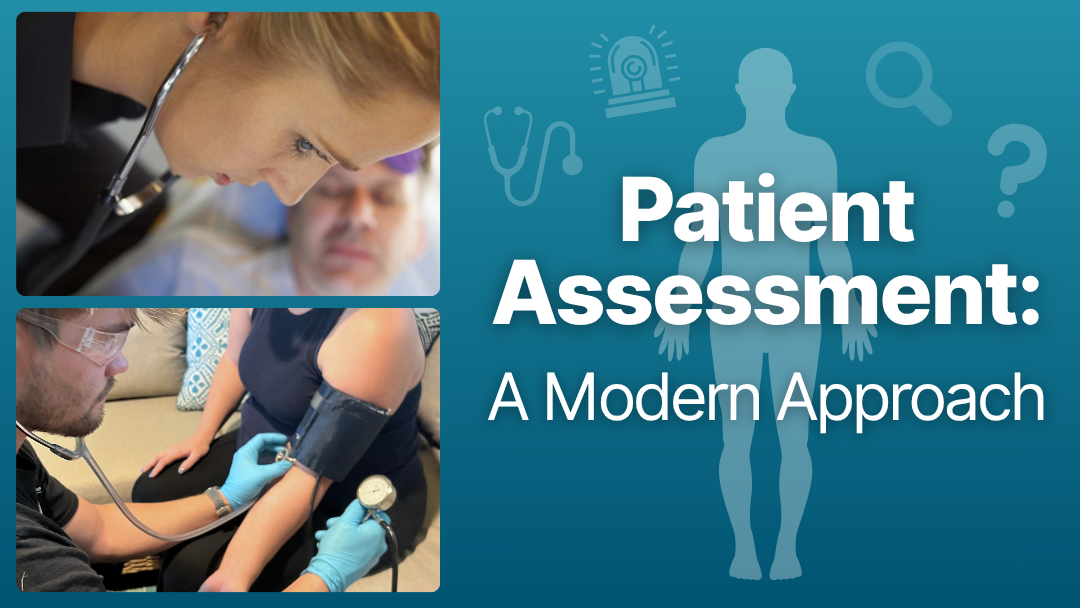
Here’s a look at how EMS education has changed and why patient assessment has become valuable to learn.