


Limmer Education
Most EMT students do not struggle on the NREMT because they lack effort, they struggle because their study methods do not match the exam.
by Limmer Education
Our articles are read by an automated voice. We offer the option to listen to our articles as soon as they are published to enhance accessibility. Issues? Please let us know using the contact form.
Few moments in a career sit as heavy as the death of a patient. When called to a scene with a patient who is dying, your medical skills matter and so does compassion. Families are often experiencing shock, disbelief, and anger, a mix of emotions that can move from one extreme to another in seconds.
Your job is not to fix their grief. It is to guide families through the first step of death with the utmost respect. How we deal with these situations can shape a family’s memory of the worst day of their lives.
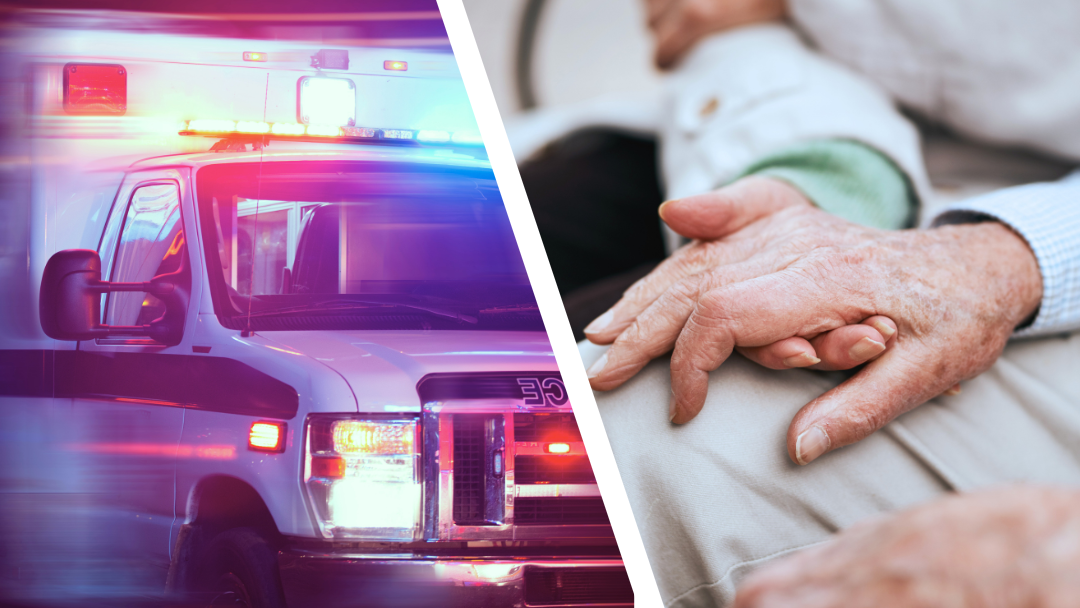
When you experience a death or dying call, these seven things can make a difference for families and for you:
Accept that Death Will Occur
Understand Your Emotional Triggers
Involve the Family
Know Appropriate Language
Anticipate Family Needs
Be Resilient
Cry When Needed
These notes are from an episode of “7 Things EMS,” a podcast created to give you CE while providing important, relevant information to make you a better provider. This episode is 7 Things Death and Dying with Alex Jabr, PhD, EMT-P, an EMS professional with more than 20 years of experience.
Your job is about saving lives. But sometimes that doesn’t happen. Accepting this reality helps reduce internal shame and can lessen the shock value when death does occur. A good outcome is not always a saved life; sometimes it’s a dignified death handled with professionalism and sympathy.
Your success in these moments is measured in clinical skill AND how you treat the patient and their family.
Death scenes can cause personal triggers. A patient who resembles your parent, spouse, or child can create devastating emotional responses. These reactions are normal.
Repeated exposure to death also carries cumulative effects. Five or more death notifications in a year significantly increase burnout risk among EMTs.1
Many EMS systems prepare providers to help patients survive, but they often don’t prepare you for the emotional weight of frequent loss. Recognizing triggers early helps prevent suppressed grief from turning into long-term distress.
You should include families in the resuscitation efforts, whenever possible.
This includes:
Providing ongoing updates of the patient.
Using the patient’s name.
Explaining what you are doing.
Offering the option to observe resuscitation efforts, when appropriate.
Inclusion helps reduce confusion and disbelief. When families are involved, they are less likely to feel blindsided.
Direct language is most effective in these situations. Avoid less clear terms, such as “Passed away,” “We lost them” and “Moved on.”
Instead, use the words “died” or “dead.” Although this can sound harsh, softened language such as the examples above can create confusion and make managing this situation even more difficult. When delivering the news, these tips can help with the gravity of the situation:
Be straightforward
Repeat yourself
Allow silence
Silence feels uncomfortable, but it is appropriate to allow people to process.
After someone has passed, you should also avoid typical platitudes, and instead, use simple statements, such as: “I am so sorry,” “We did everything we could” and “This is incredibly hard news.”
Remember: Clarity is key.
Families getting the most shocking news of their lives might repeat the same question multiple times and ask for details that won’t change the outcome. During these times, brains struggle to make sense of what’s happening. No one is trying to be difficult. They are simply beginning the painful grieving process.
Because thinking is impaired, they might not remember much about this time. But they could remember you and how you handled this situation. Be sure to do these:
Use their loved one’s name.
Show warmth and compassion.
Offer physical comfort if appropriate.
In the words of Maya Angelou, “People may forget what you said, but they won’t forget how you made them feel.”
You also need to process your own grief and develop resilience. This is not about being tough or emotionless. Resilience develops through understanding grief.
Not every death will affect you deeply, and that’s normal. But when one does hit you hard, ignoring it increases the risk of burnout.
Better training in death notification and emotional processing is shown to reduce burnout risk. Spend time learning about the toughest part of the job.
If you need to cry, go ahead. Crying in front of a family does not mean you made a mistake or make you look unprofessional. Rather, it can convey shared humanity.
Remember: Your job is not to remove grief. It is to guide with clarity and compassion.
Alex Jabr, PhD, EMT-P, served as an EMT, paramedic, cardiac tech, EMS Coordinator, and EMS Educator. She earned her master’s degree in death, grief, and bereavement and a PhD in depth psychology, studying the understanding of the complex psychological and emotional demands of first responder jobs. Specifically, she trained in how EMS professionals can maintain mental health to become a strong, positive resource for patients, grieving loved ones, and “work families”, who are facing the same daily challenges and hard decisions.
1. Campos, A, EV. Ernest, RE Cash, et al. “The Association of Death Notification and Related Training with Burnout among Emergency Medical Services Professionals.” Prehospital Emergency Care 25, no. 4 (2021): 539-48.
Limmer Education
Most EMT students do not struggle on the NREMT because they lack effort, they struggle because their study methods do not match the exam.

Limmer Education
ChatGPT doesn’t understand clinical decision-making. Realistic exam prep matters.

Limmer Education
The NREMT EMR exam isn’t about knowing every answer. It’s about knowing what to do first when a patient needs help.